
Memory, communication and dignity
Changes in memory deserve a conversation with a health professional. This guide helps prepare for that conversation, not make a diagnosis.
Read the guide →
AGECARE · Closer to people. At every step.
Health in later life is more than a list of diagnoses. Find guidance for clearer conversations, organised support and participation in everyday life. Start with today’s need while keeping the person at the centre of decisions.
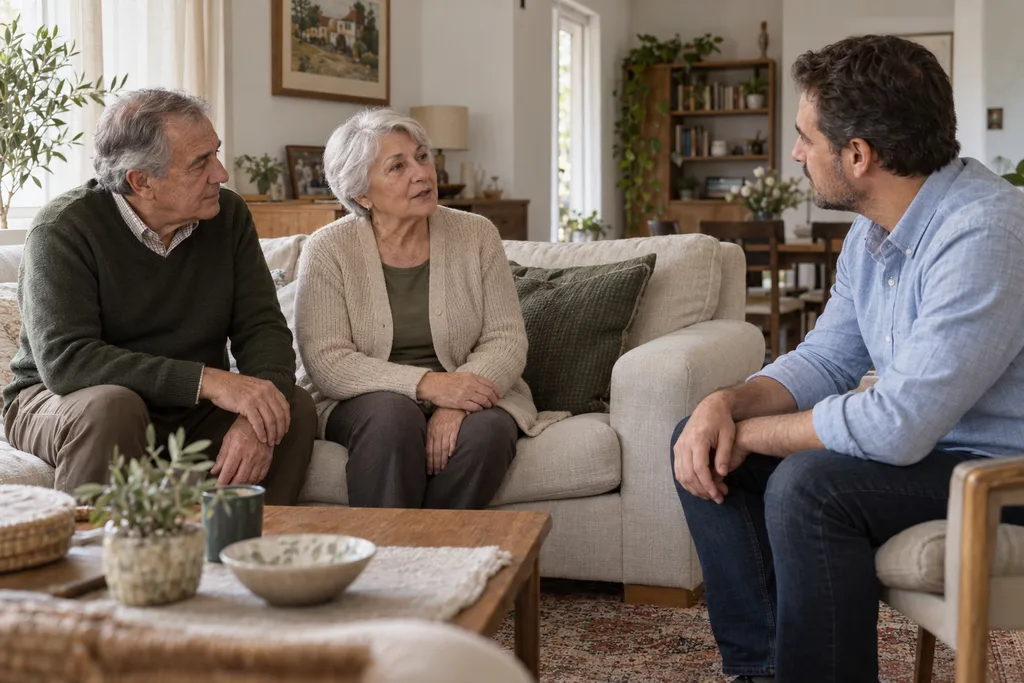
For memory and communication, start with dementia, hearing and vision. For home routines, explore eating, medicines, bladder control and support after stroke. For movement, company and outings, continue to Live Well. Each guide helps you prepare questions and practical steps, not diagnose a condition yourself.
Medical Tool Kit and accessible measurements can be discussed with the relevant professional and provider. Our guides explain what to ask about use, data and the connection with Teleshëndeti. For Monitorimi, clarify who receives alerts and how they respond. AgeCare directs you to providers; it is not a clinic, response centre or shop and does not promise continuous supervision.
In immediate danger, contact local emergency services. Read the infections and post-stroke guides in particular to distinguish a routine question from a change that cannot wait. Articles provide general information and do not replace assessment, a treatment plan or the instructions of the professional who knows the person.
Changes in memory deserve a conversation with a health professional. This guide helps prepare for that conversation, not make a diagnosis.
Read the guide →A large display or spoken readout may be part of your accessibility requirements. Functions and languages must be checked for each model.
Read the guide →Unintentional urine leakage is a health issue to discuss, not a reason for shame. Good support brings professional assessment together with privacy, access to a toilet and the person’s choices. A protective product may help with everyday life, but does not explain the cause of the problem.
Read the guide →After a stroke, needs and the pace of recovery vary between people. Do not measure progress against somebody else’s story. Use the healthcare team’s plan to organise the home, communication and the support the person agrees to receive.
Read the guide →A new deterioration in an older person deserves attention. Cough, urinary changes or confusion do not establish a diagnosis by themselves. This guide helps you describe changes and seek appropriate help; it does not determine whether someone has an infection or which treatment they need.
Read the guide →“Type” and “stage” of dementia are not the same thing. Type relates to the underlying disease; stage describes impact and support needs. Neither label tells you by itself what the person enjoys, what they can do today or how they want to be helped.
Read the guide →Arthritis includes different conditions affecting joints; pain and stiffness alone do not identify which type someone has. This guide helps families organise support, not make a diagnosis. Start with a goal that matters to the person: getting dressed, preparing a meal, going out or being more comfortable at night.
Read the guide →Diabetes involves high blood glucose, but its type and care plan differ between people. In type 2 diabetes, insulin does not work properly or there is too little of it. Family support should make the professional care plan understandable and manageable, rather than turning every meal into an inspection or criticism.
Read the guide →
Coronary heart disease affects the heart’s blood supply; it is not a name for every heart problem. Ask for the specific diagnosis to be explained clearly. This guide supports practical planning after medical assessment. It cannot establish whether chest pain is harmless or replace an individual cardiac care plan.
Read the guide →A useful routine starts with the person, not a perfect timetable. Ask what they enjoy, what feels reassuring and what they want to do themselves. The family can prepare a short page for helpers describing familiar habits, preferred words, communication needs and whom to contact when something changes. Keep it respectful and share it only where needed.
Read the guide →Memory changes deserve attention, not labels. Dementia is not an inevitable consequence of ageing. When a change affects everyday life, talk with the person and seek a professional assessment; an online checklist cannot establish a diagnosis.
Read the guide →Arthritis, diabetes and heart conditions can bring different questions into the same day: movement, meals, measurements and appointments. Organising support starts with the healthcare professional’s plan and what matters to the person, not general advice from family members.
Read the guide →When someone cannot follow a conversation or instruction, do not immediately assume a lack of attention. Ask what makes communication easier. Hearing and vision changes may need assessment and tailored support, while families can help remove everyday barriers.
Read the guide →A good meal is about more than ingredients. Shopping, budget, opening packaging, cooking and company shape how a person eats. Start with the actual difficulty and their preferences; do not impose the same eating plan on everyone.
Read the guide →With several medicines, appointments and helpers, information can become scattered. A clear medicines overview makes a conversation with a doctor or pharmacist more useful. This guide is about organisation, not choosing medicines or changing doses.
Read the guide →